| Acrylic Pour Painting |
|---|
|
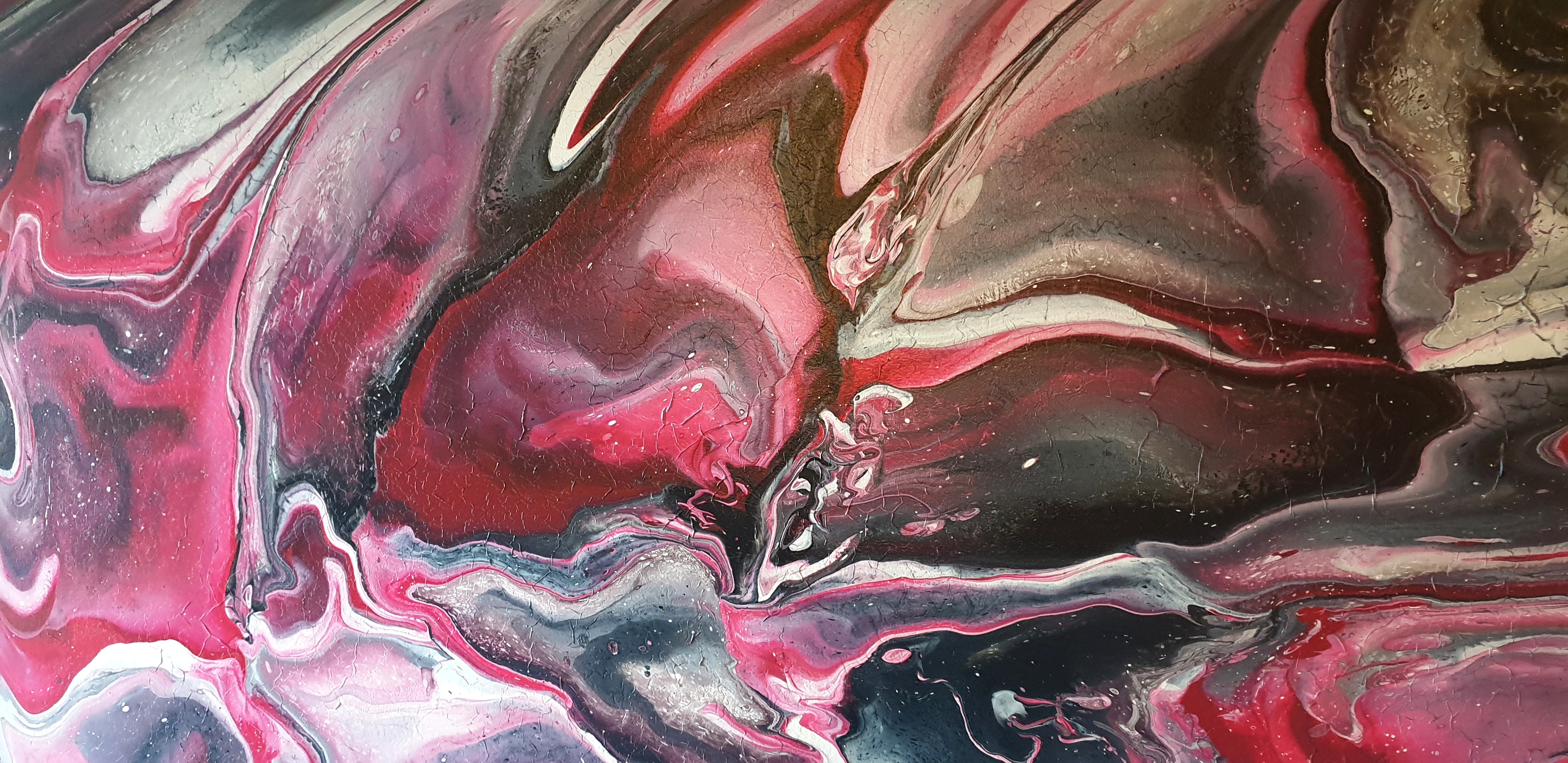
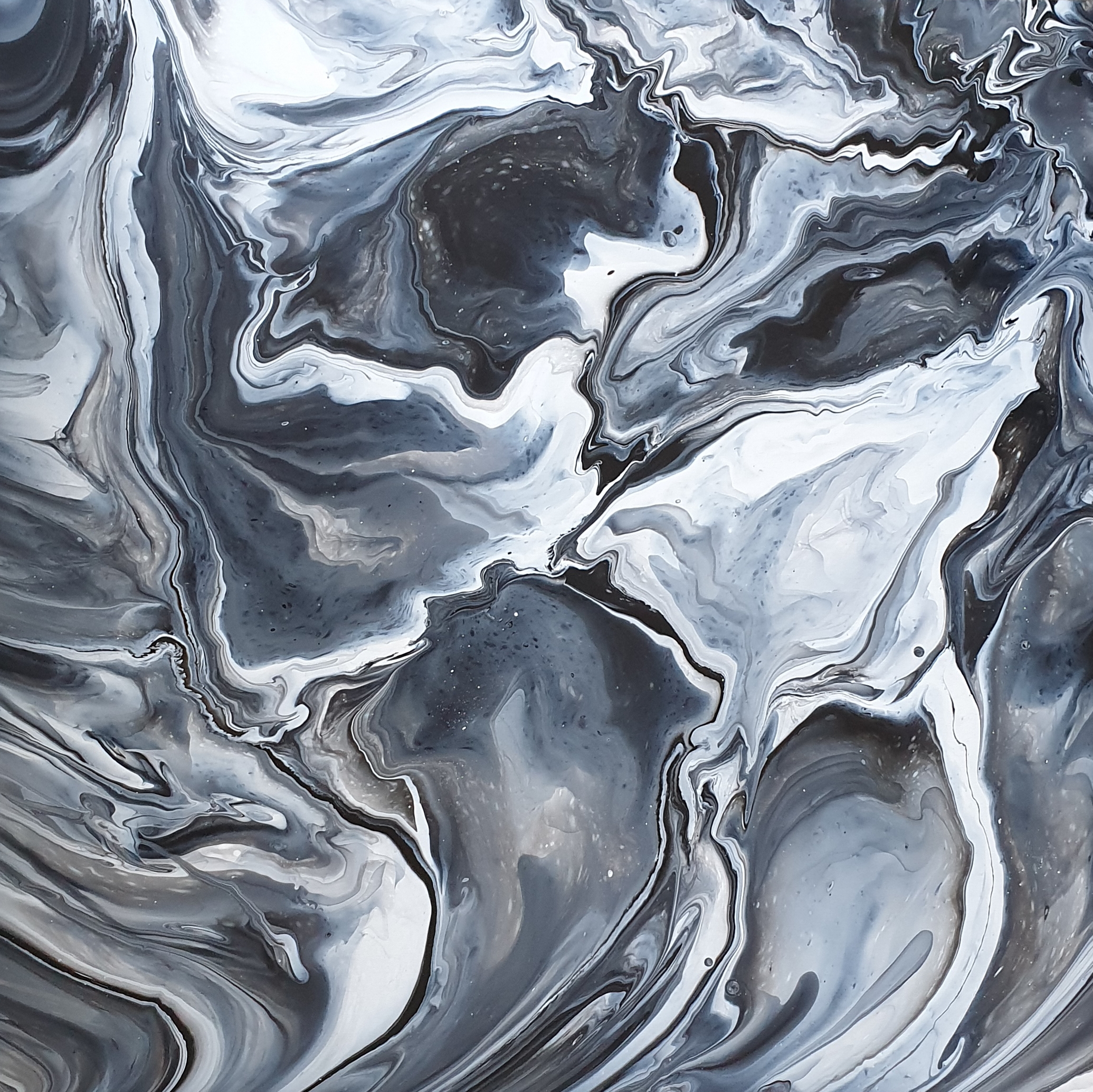
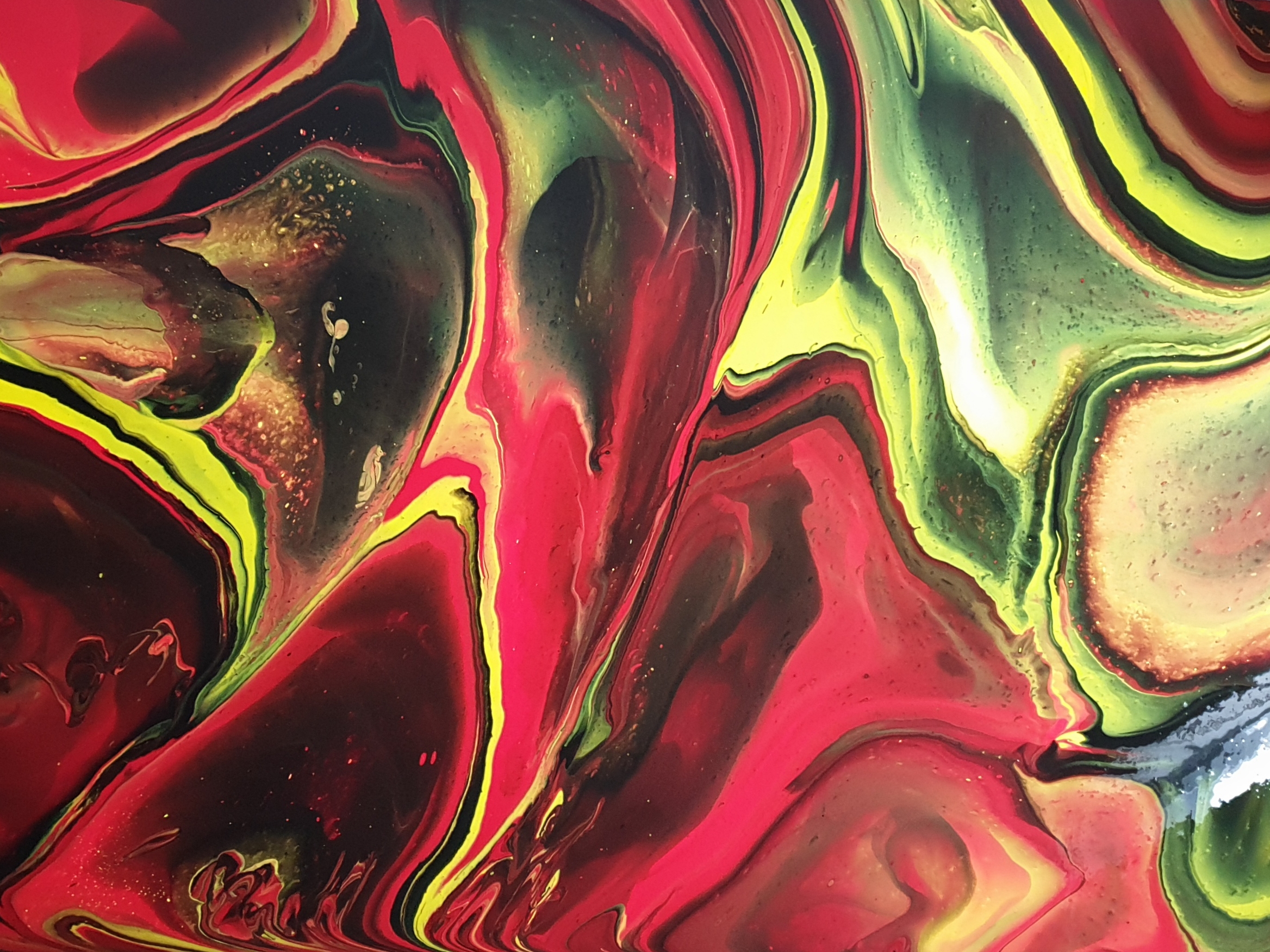
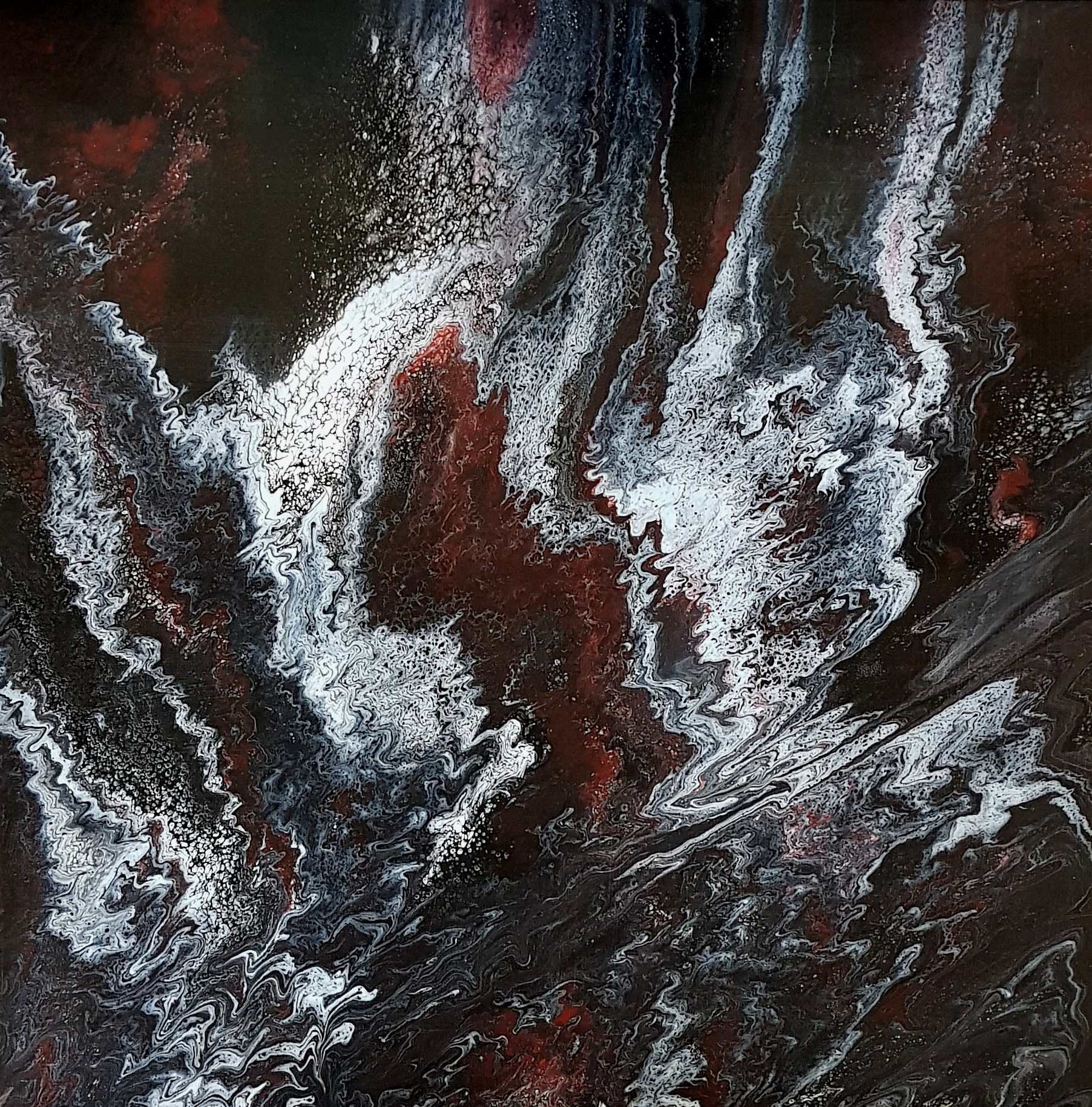
I am always fascinated by all things fluid related. When I saw examples of paintings done with the acrylic pour technique I loved the fluid like results and had to have a go at acrylic pouring myself.
The process is relatively simple. If you are interested in trying it yourself see the numerous YouTube videos for examples, ideas and inspiration. This page shows some of my results so far with the technique. The photos are not the best, but give an idea of what is possible with very little experience. I have also included some of my own tips for acrylic pouring at the end of this page. |
| Attempt #17 |
|---|
 |
| Attempt #16 |
|---|
 |
| Attempt #15 |
|---|
 |
| Attempt #14 |
|---|
 |
| Attempt #13 |
|---|
 |
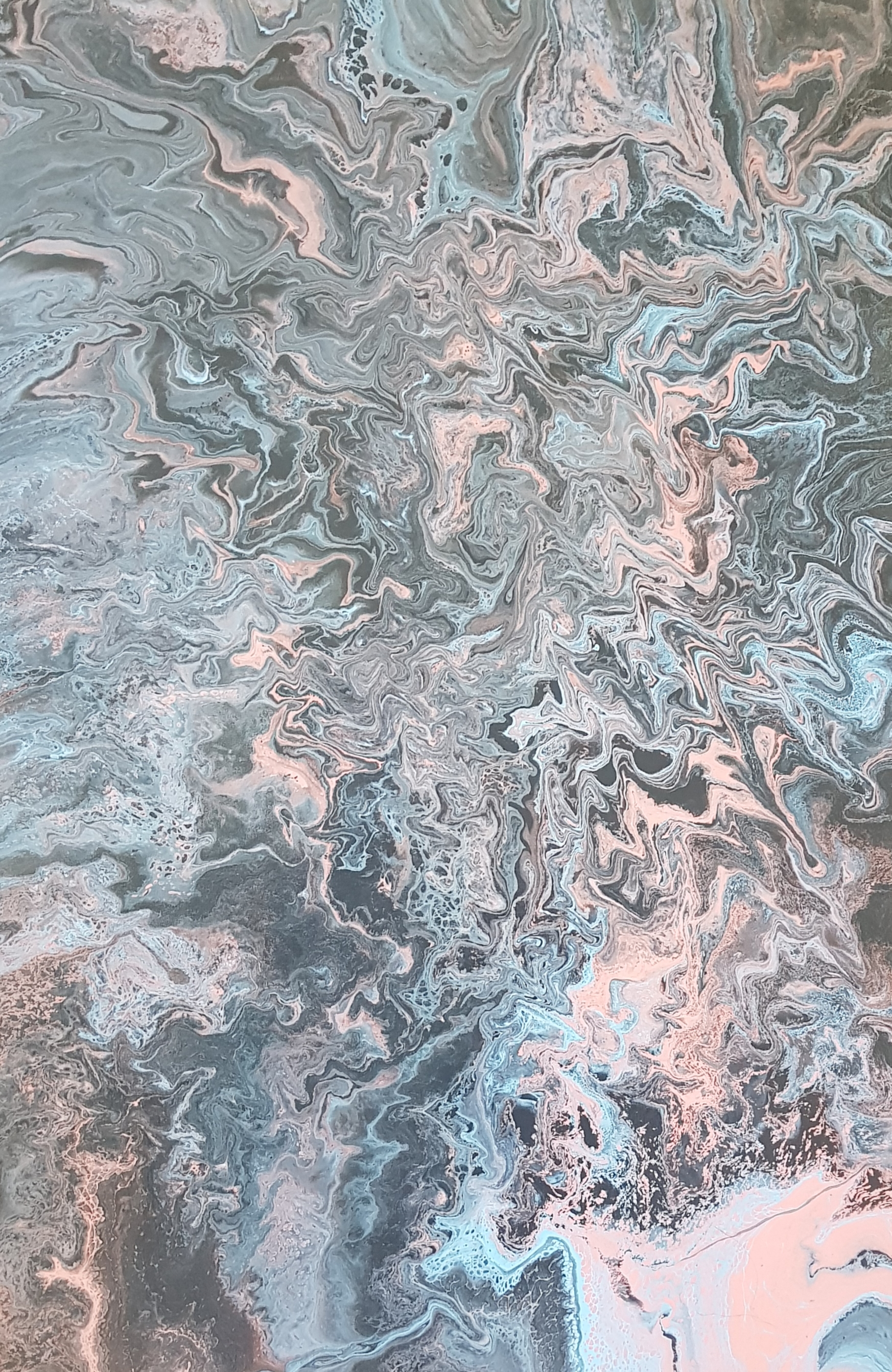
| Attempt #12 |
|---|
 |
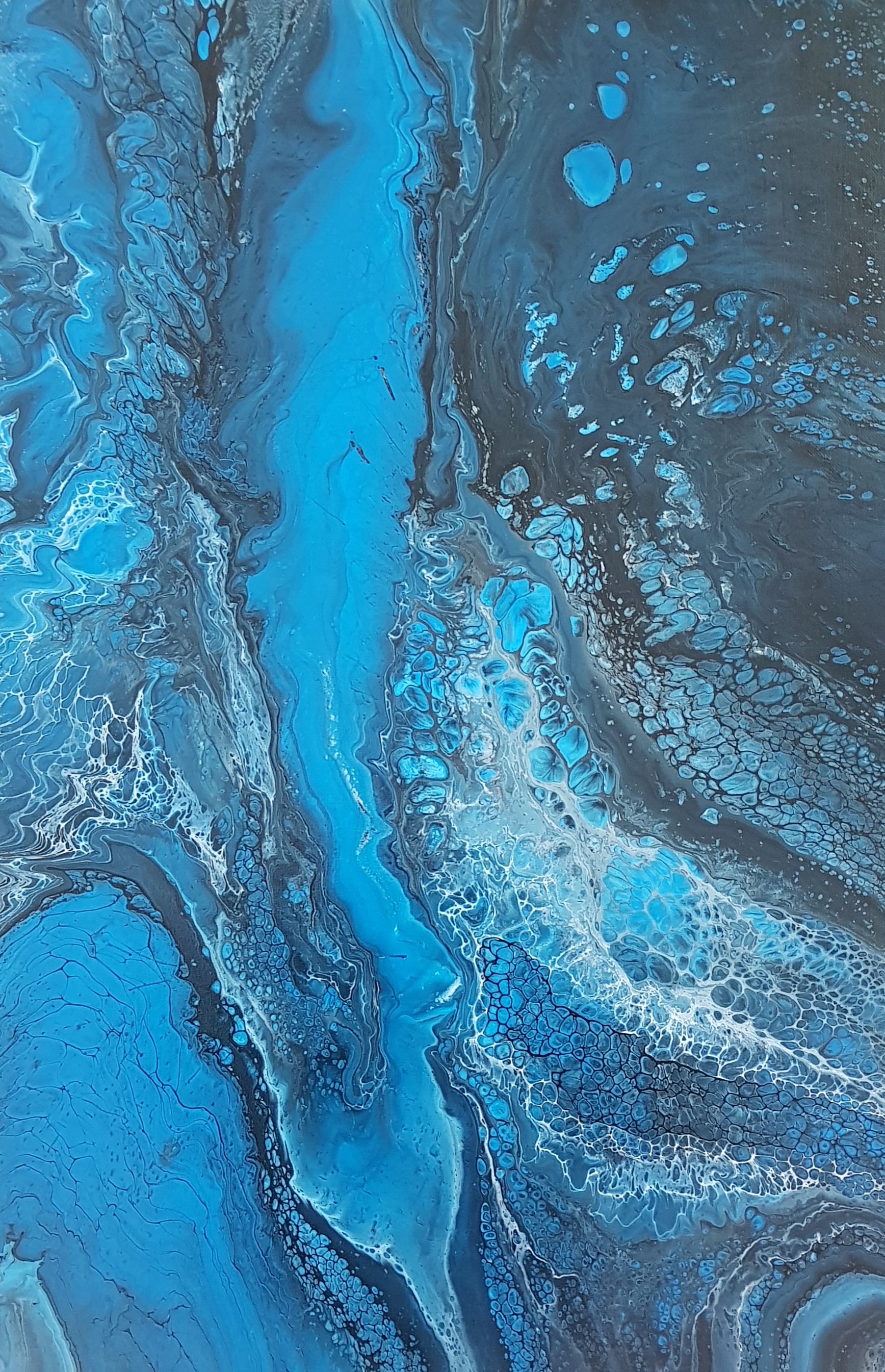
| Attempt #11 |
|---|
 |
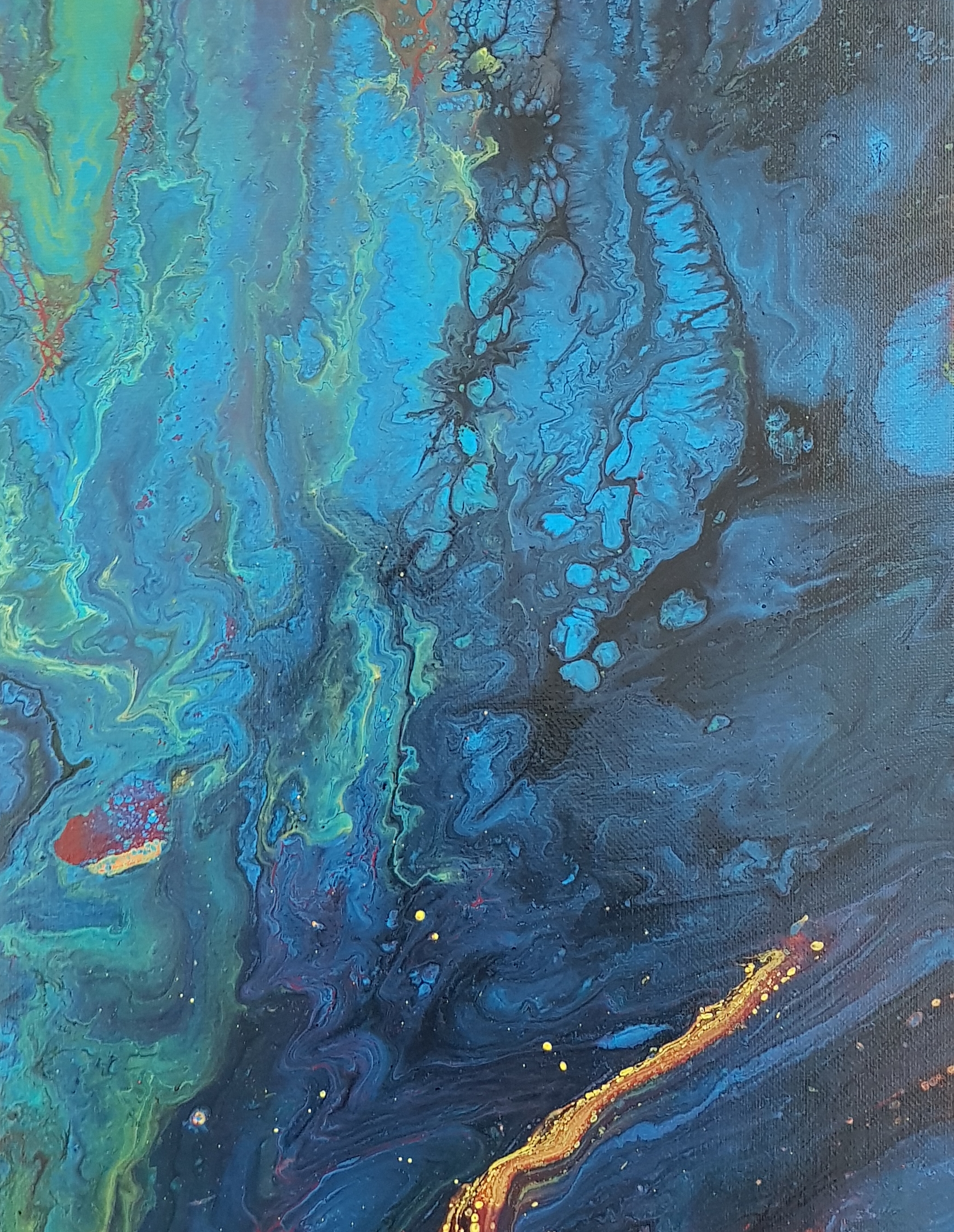
| Attempt #9 |
|---|
 |
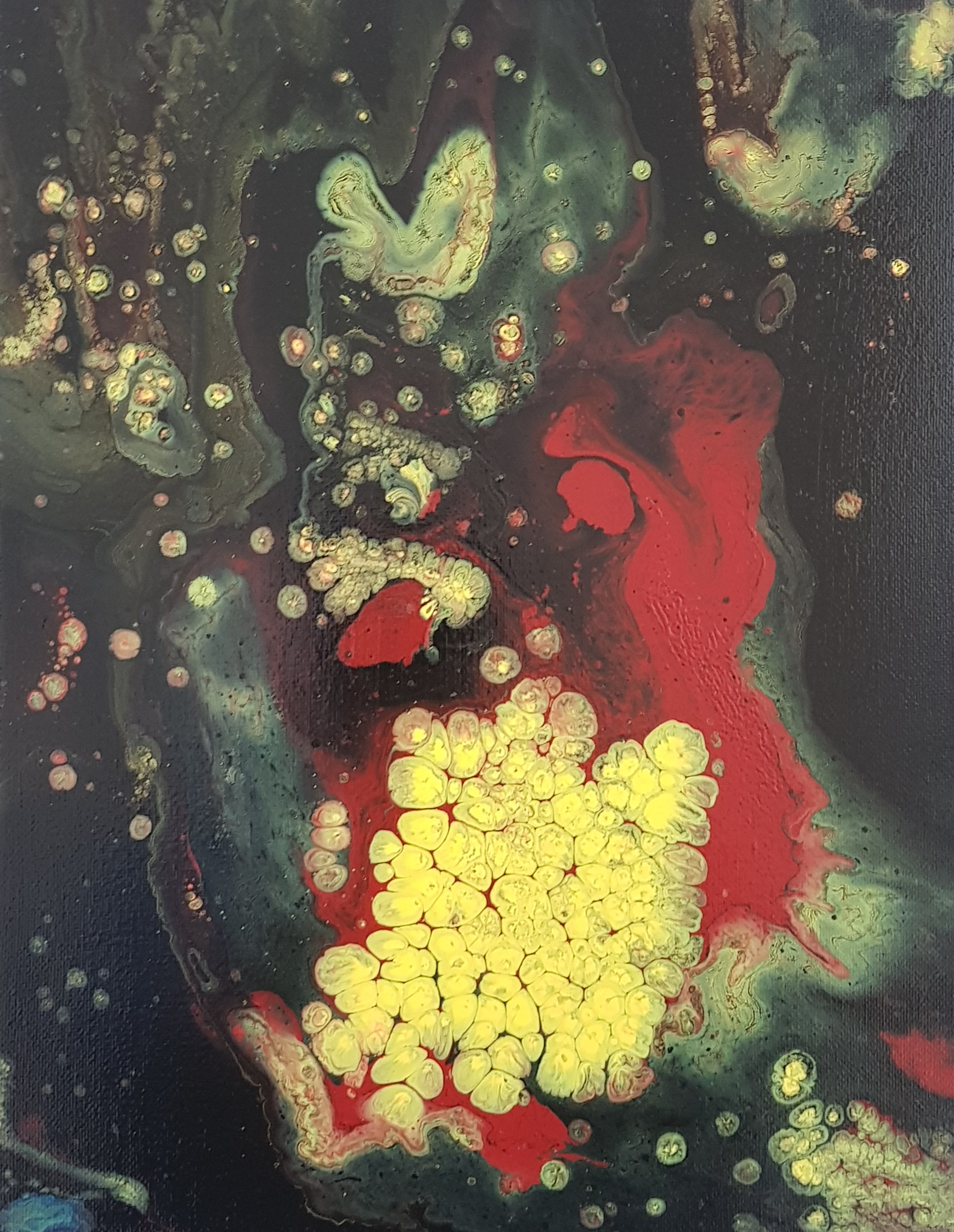
| Attempt #8 |
|---|
 |
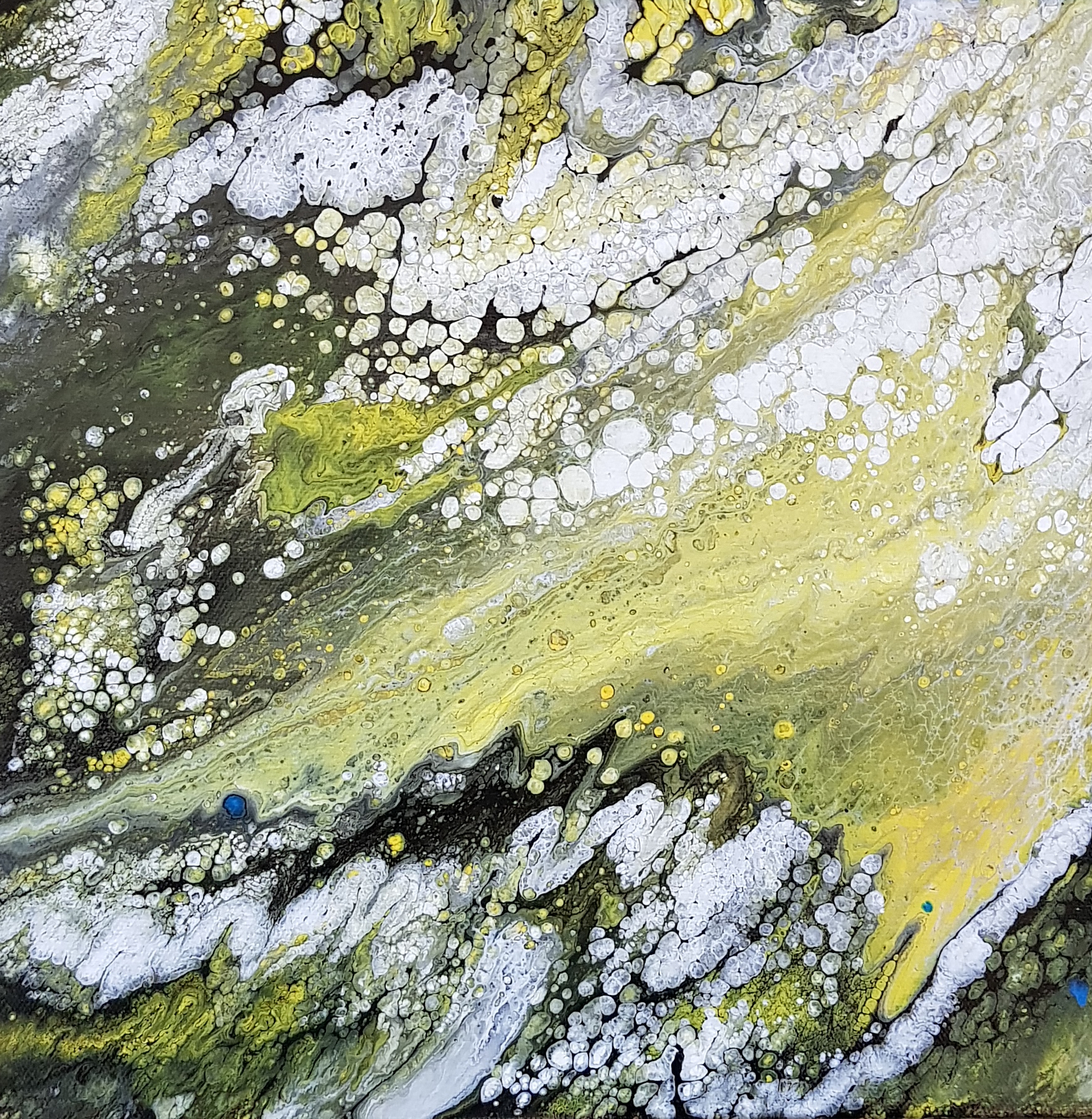
| Attempt #7 |
|---|
 |
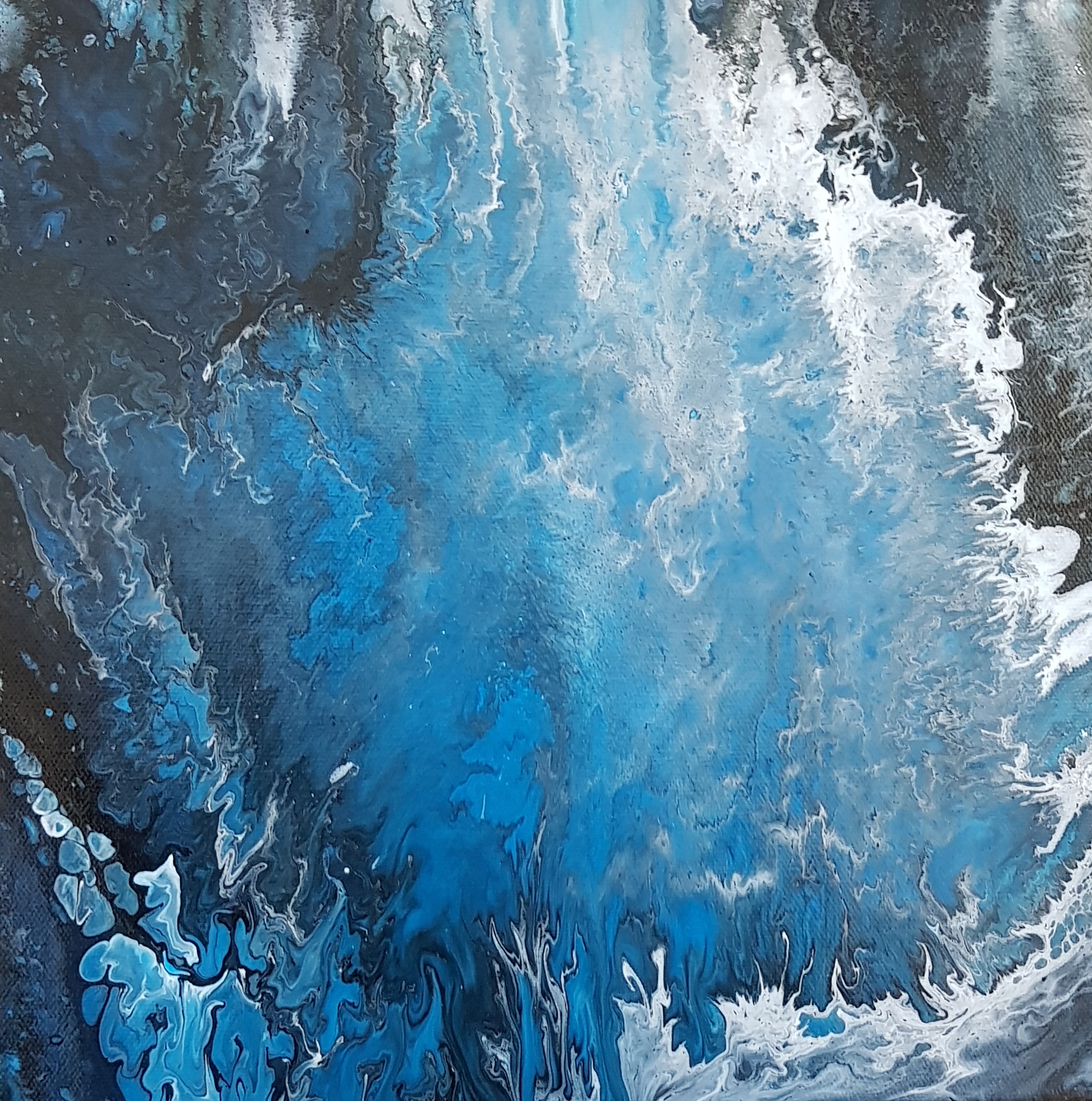
| Attempt #6 |
|---|
 |
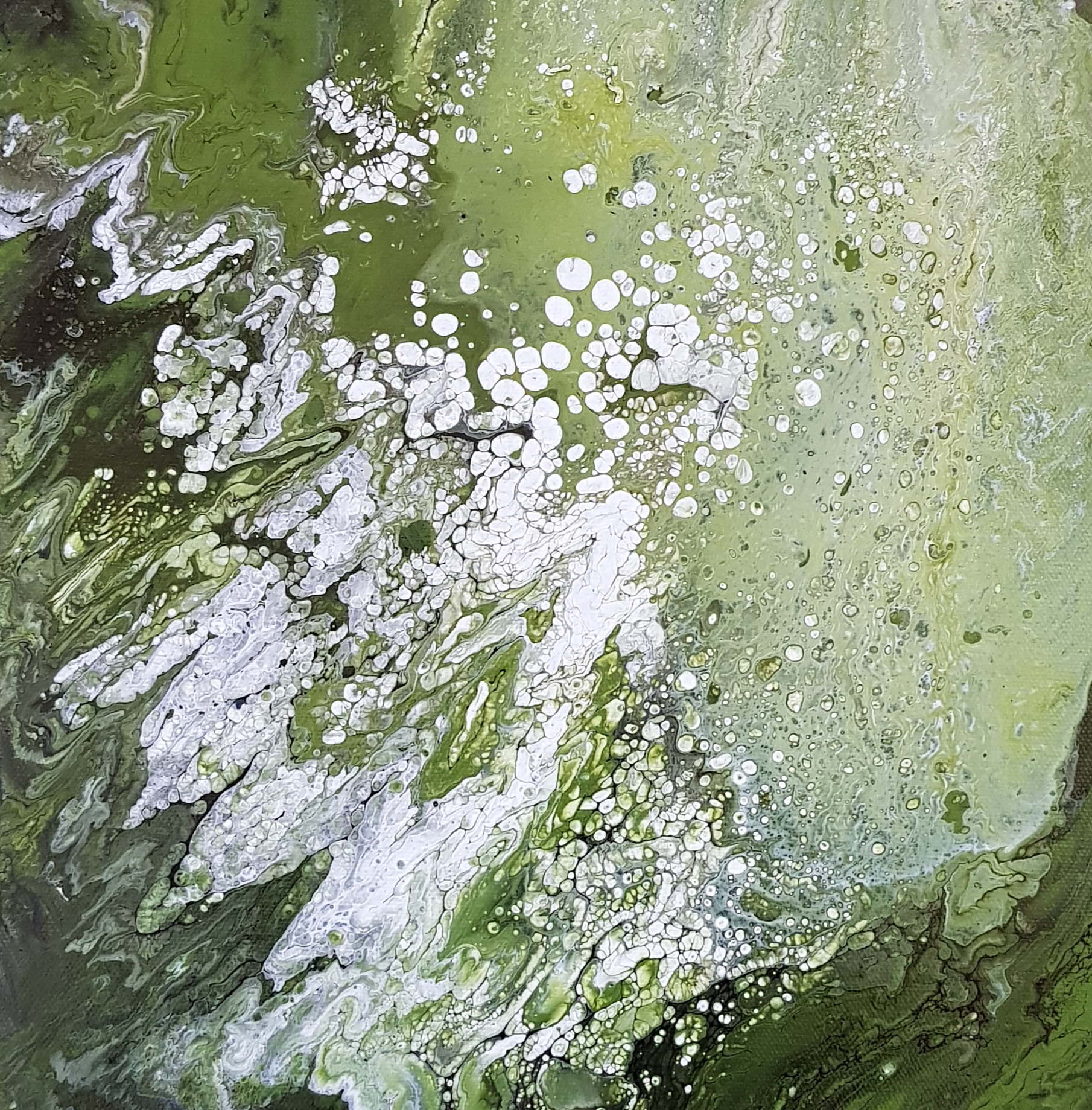
| Attempt #5 |
|---|
 |
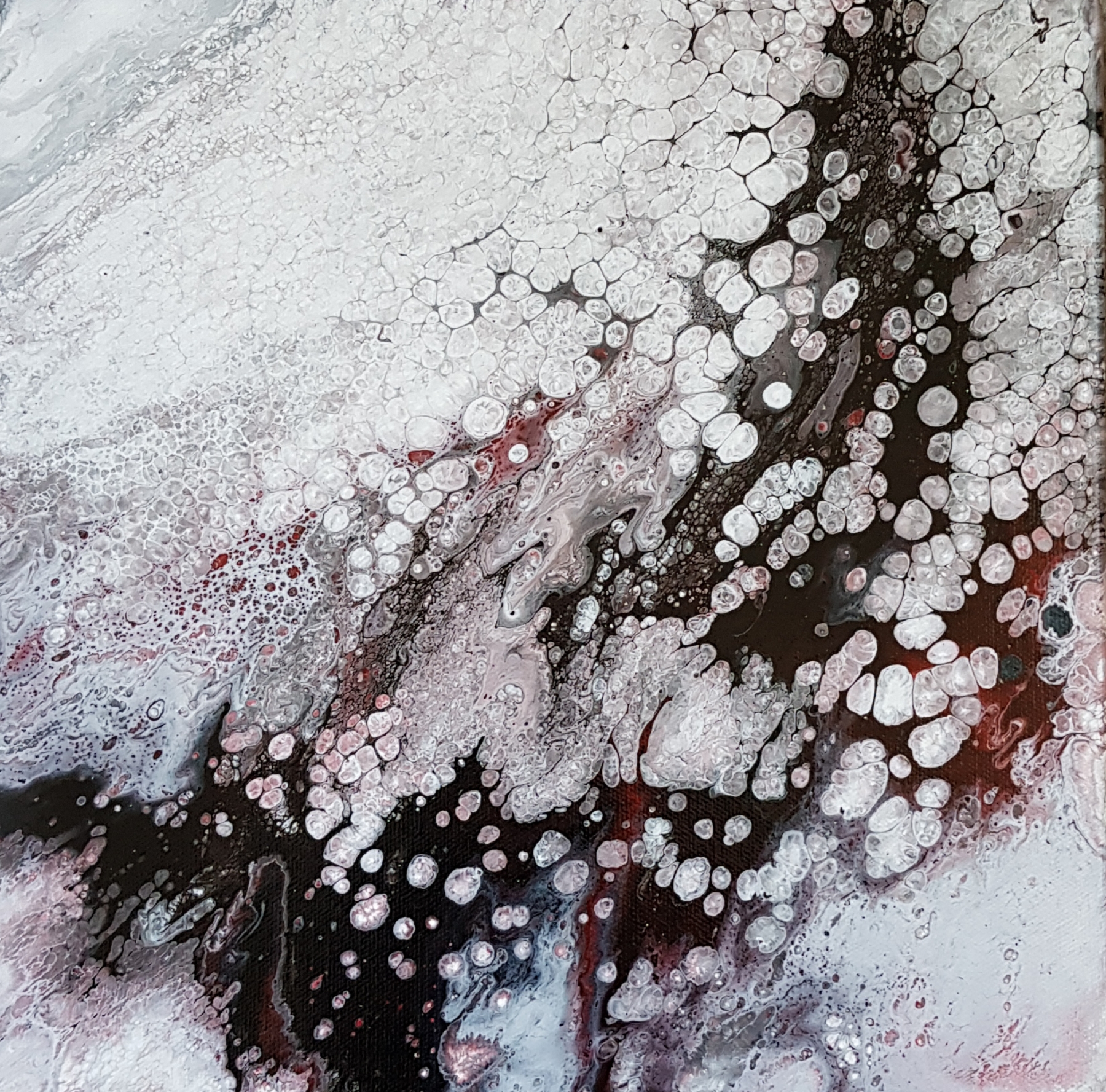
| Attempt #4 |
|---|
 |
| Attempt #3 |
|---|
 |
| Attempt #2 |
|---|
 |
| Attempt #1 |
|---|
 |
| Tips |
|---|
|
Here are some quick tips I found so far from my experiments;
Mediums For pour mediums I have used Liquitex Pouring Medium (tends to be expensive and is available from art supply shops) and Floetrol (cheaper in bulk from the hardware or paint shop). If your budget is tight go for the cheaper Floetrol. I could not tell any difference between the two. A little bit of water comes in handy to balance the consistancy of paints once you add the mediums. Add the water in small amounts slowly. The best thickness of paint I would describe is unthickened cream. Not watery like water or milk, but not too thick like dense cream or custard. Canvas Prep To help the poured paint flow better over the canvas you can coat the canvas with a slick coating of whatever base color you like (usually white). I found a simpler technique is to spray the canvas surface and edges lightly with water using a mister bottle. The thin coat of water seems to be just as effective as a paint layer in helping the paint flow. Paint Mix and use more paint than you think you will need. Nothing worse than having 3/4 of your canvas filled and looking great and then not having enough paint to spread to that last corner. If you hold the canvas too long in one direction trying to get to that last corner it leads to the more jagged areas. Use different brands of paints as they may react differently and give more unique effects. I use cheap student acrylics, house paint sample pots from the paint store and some artist grade acrylic tubes I had. Mix the paints and mediums well. Spend 99% of your time in prepping the paints and that final 1% of the time moving the paint on the canvas. Lumps or inconsistant paint thickness can cause areas of your otherwise awesome looking painting to fail. The consistancy of the paint is also very important. You don't want watery, but you don't want thickened cream either. Just experiment and see what works for you. Too thick means it will be harder to get it to flow to all the corners. Too watery means the colors will mix and intermingle too much to form muddy colors. Slightly (very slight) differences in density between the colors does help cells and other patterns form. You will waste a lot of paint. If the thought of this worries you then acrylic pouring is not for you. Here is a photo of the table I used to do all the above paintings. 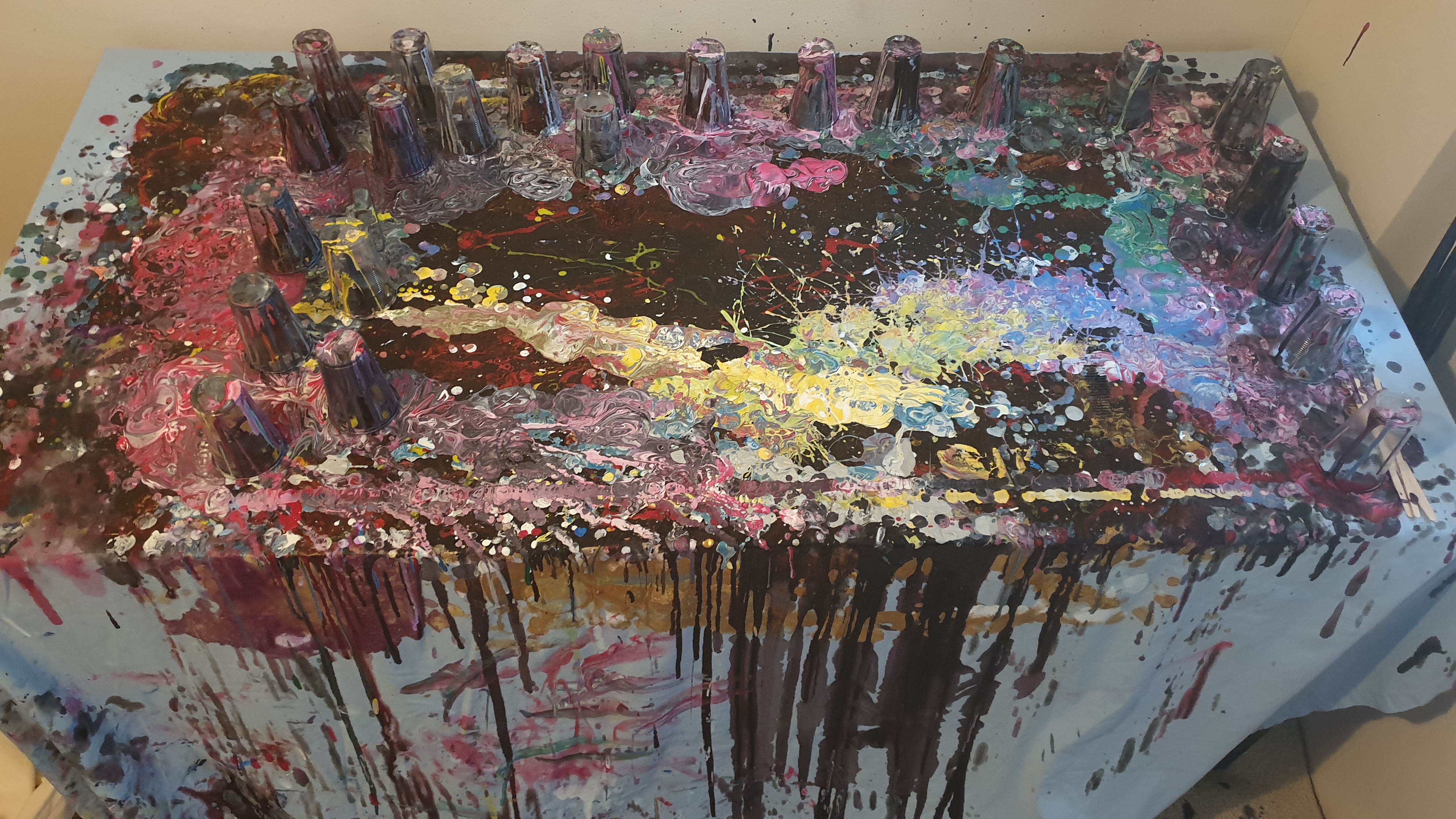 Black can be very powerful and overpowering. Use much less black to avoid the entire painting being dulled down. Cells Many of the example pour movies will refer to adding silicon to get cells. I have not tried it yet, but have gotten plenty of cells from just Liquitex and Floetrol. I find the best way to get cells is just to have slightly different density paints. Also different brands of paints. Other I do use a blowtorch on the paint after pouring but prior to starting to move the paint around the canvas. I don't think it does anything but pop bubbles that may be in the paint. I bought the same hand held butane type you see in majority of acrylic pour videos. Don't bother if you are on a budget. Pour painting is kind of like a science experiment every time. You can never guarentee what result you will get. If you get a result you don't like you can always pour a new painting over it once it dries. |